Housing associations across the Liverpool City Region are continuing to invest in existing homes as part of the region’s wider ambition to create warmer, greener and more energy-efficient communities.
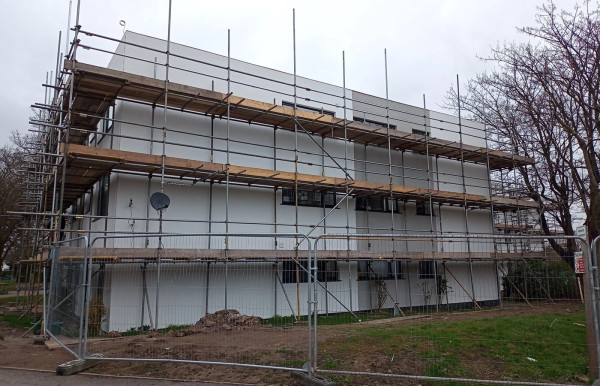
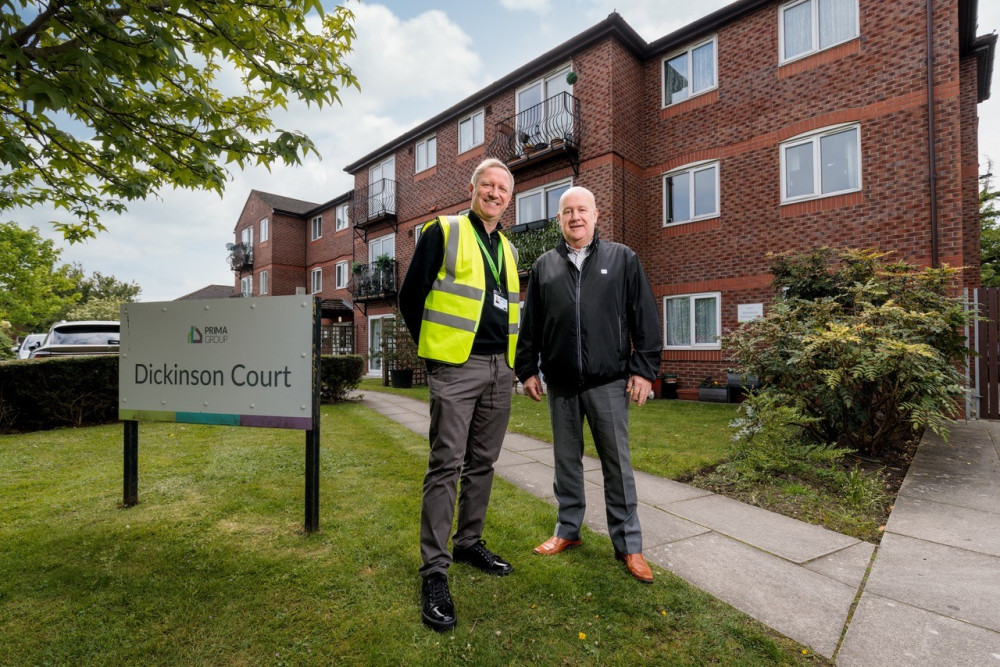
A £2.2m retrofit programme by Prima Group, in partnership with Gaia Energy and delivered through the Government’s Warm Homes Social Housing Fund, will provide energy-efficiency upgrades to more than 140 homes across the region. The project includes insulation improvements, heating upgrades, solar panel installations and ventilation works designed to improve comfort, reduce energy costs and lower carbon emissions.
The programme will help bring homes up to a minimum EPC C standard while also delivering:
- Lower energy bills for residents
- Reduced carbon emissions
- Improved warmth and comfort
- Better long-term sustainability of homes.
This investment demonstrates the important role housing associations play in ensuring homes remain fit for the future, particularly for residents most impacted by fuel poverty and cost-of-living challenges.
Supporting regional net zero ambitions
The Combined Authority has set a target for the city region to reach net zero by 2035 and has identified housing decarbonisation as a major priority, with 60,000 homes per year needing to be decarbonised through a combination of:
- Cavity wall and loft insulation
- External wall insulation
- Replacement of gas and oil heating systems with electric heat pumps
- Connect properties with district heat networks
- Increase domestic renewable energy generation, such as electricity and hot water from solar panels.
Significant investment is already being directed towards retrofit activity across the region, and projects like this are part of a much broader regional transition towards cleaner, greener homes.
As the region moves towards its net-zero ambitions, collaboration across housing associations, local authorities, and delivery partners will continue to play a critical role in scaling up retrofit activity.